
Trees add beauty, shade, privacy, and value to a property, but they do not last forever. Even the healthiest trees can become dangerous due to age, disease, weather damage, or structural failure. Knowing the reasons for tree removal is an important part of protecting your home, family, and landscape.
Many homeowners delay making a decision because they are unsure whether a tree can be saved. However, waiting too long can lead to costly property damage, safety hazards, and even legal liability if a failing tree damages neighbouring property. Understanding when to remove a tree helps you act before a small problem becomes a major emergency.
In this guide, we will explore the most common reasons for tree removal, explain the warning signs professionals look for, and help you determine when should you take the tree down before it becomes a serious risk.
Structural Warning Signs: When Should You Take the Tree Down?
One of the most important tree removal reasons involves structural integrity. Trees rely on strong trunks, healthy roots, and balanced canopies to remain stable. When those systems fail, removal may be the safest option.
Cracks in the Trunk and Deep Bark Cavities
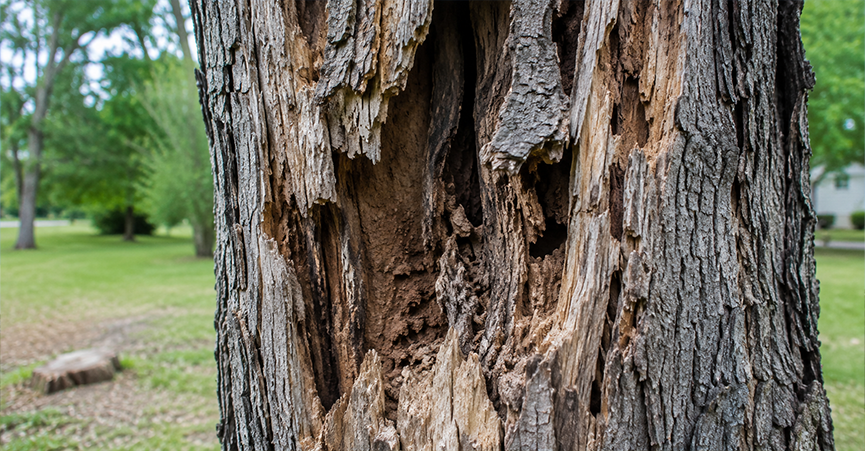
Visible cracks in the trunk are among the biggest warning signs that a tree may be structurally compromised. Not every crack means immediate removal is necessary. Some trees naturally develop minor bark splits over time. However, deep vertical cracks, large cavities, or openings extending into the wood often indicate serious problems beneath the surface.
These defects can signal:
- Hidden internal decay
- Weak structural support
- Increased likelihood of splitting
- Reduced load-bearing capacity
Large trees with extensive trunk damage become especially dangerous during storms because the trunk may fail without warning. If a significant crack continues to widen over time, it is often one of the clearest reasons to remove a tree before major damage occurs.
Severe Trunk Leaning and Root Upheaval
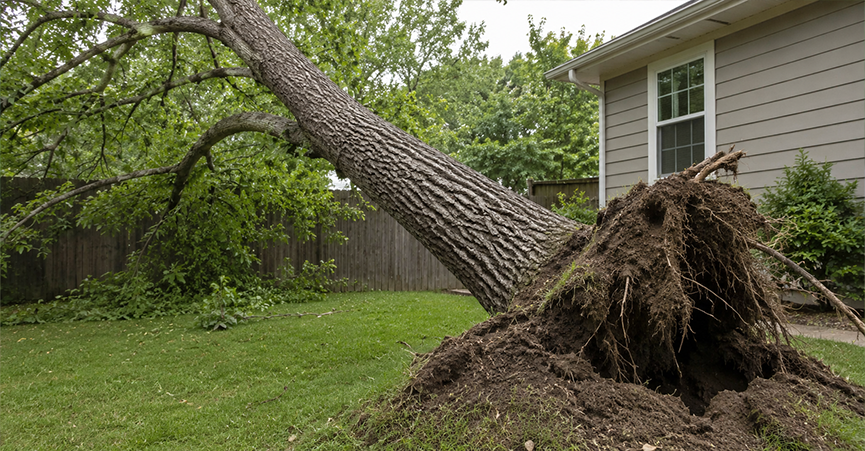
Not every leaning tree is dangerous. Some species naturally grow at an angle and remain stable for decades.
The concern arises when a tree suddenly begins leaning after:
- Heavy rainfall
- High winds
- Soil erosion
- Construction activity
- Root damage
A sudden lean often indicates movement beneath the soil. In severe cases, the roots begin lifting from the ground, creating visible mounds or cracks around the base of the tree.
Signs of instability include:
- Newly exposed roots
- Soil lifting near the trunk
- Leaning that worsens over time
- Cracking sounds during windy conditions
When evaluating when to take the tree down, sudden changes in position should never be ignored.
Trunk Rot and Fungi Growing at the Base of the Tree
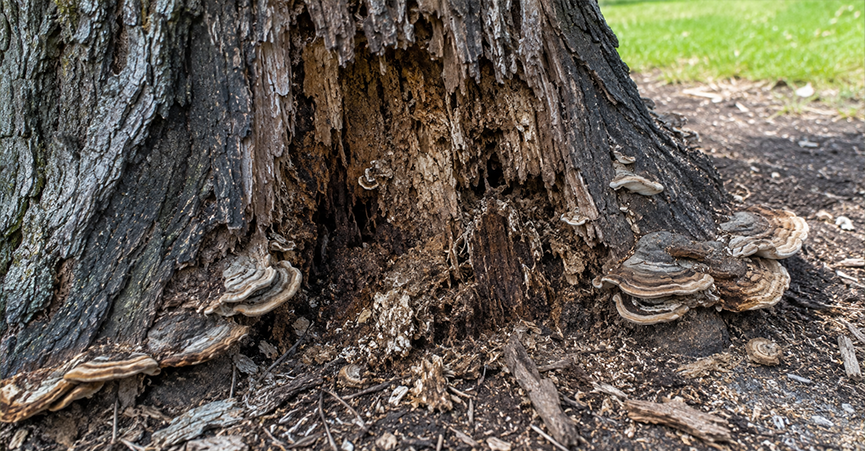
Decay often develops inside a tree long before visible symptoms appear.
One of the easiest clues to spot is mushrooms growing near the trunk. These organisms feed on decaying wood and often indicate that internal deterioration is already underway.
Homeowners should pay close attention to:
- Fungi growing around roots
- Mushrooms near the trunk flare
- Soft or spongy wood
- Hollow-sounding sections of trunk
The presence of fungal growth does not automatically require removal, but it often warrants a professional inspection. In many cases, extensive fungal activity points to advanced root problems that become major reasons for tree removal.
Biological Health & Disease: Crucial Tree Removal Reasons
A tree can appear healthy from a distance while struggling internally. Disease, pests, and widespread canopy decline often determine when to cut down a tree.
The 50% Rule: Evaluating Dead or Dying Canopies
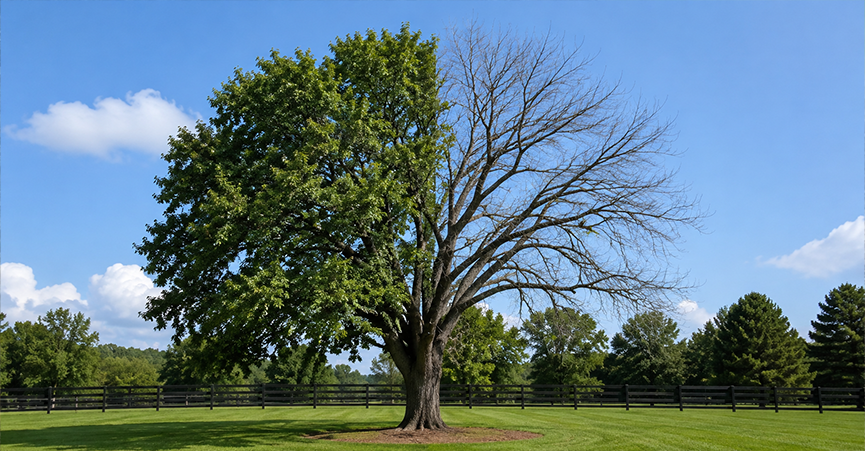
Arborists commonly use a simple benchmark when assessing tree survival potential.
If more than 50% of the canopy is dead, declining, or severely damaged, removal often becomes the most practical option.
Common symptoms include:
- Sparse leaf production
- Dead upper branches
- Uneven growth patterns
- Extensive canopy thinning
Trees with major canopy loss usually struggle to produce enough energy for recovery.
This rule is particularly important for mature trees that already face environmental stress.
Large Dead Branches and Canopy Dieback
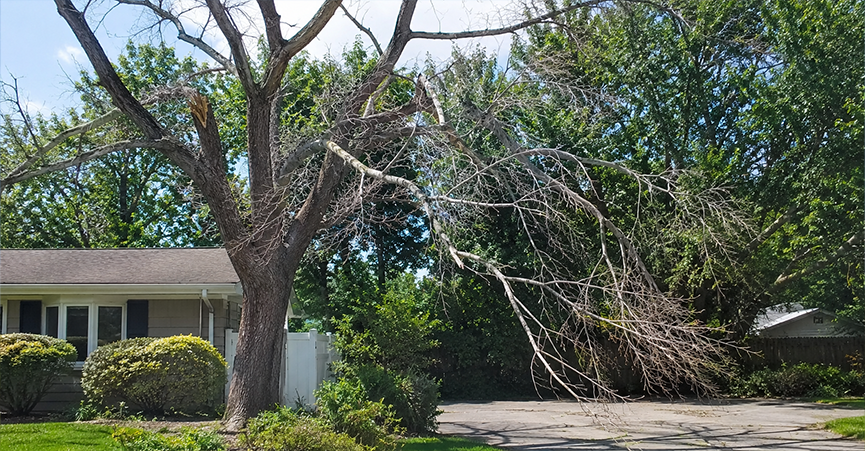
A single dead branch can be hazardous. Multiple large dead branches create a much greater risk. Dead limbs are sometimes called “widowmakers” because they can fall unexpectedly without warning.
Warning signs include:
- Bark falling away
- No leaf production
- Brittle wood
- Extensive dieback on one side
When numerous branches die across the canopy, the tree may be experiencing systemic decline. These are major red flags that should never be ignored.
For many property owners, large sections of dead wood become one of the most urgent reasons for tree removal.
Managing the Spread of Contagious Tree Diseases
Some diseases affect only a single tree. Others spread rapidly throughout an entire neighbourhood.
Examples include:
- Oak Wilt
- Dutch Elm Disease
- Root Rot
- Bacterial infections
Infected trees sometimes become sources of contamination for nearby vegetation.
Removing a diseased tree can help protect:
- Nearby shade trees
- Landscape plants
- Property value
- Local ecosystems
This is one of the most overlooked tree removal reasons because homeowners often focus on the affected tree without considering the surrounding landscape.
Early intervention can prevent widespread losses.
3. Environmental and Location Hazards: Right Tree, Wrong Place
Sometimes a tree is healthy but still creates serious problems because of its location. Certain tree species simply outgrow the space where they were originally planted.
Interference with Power Lines and Public Utilities
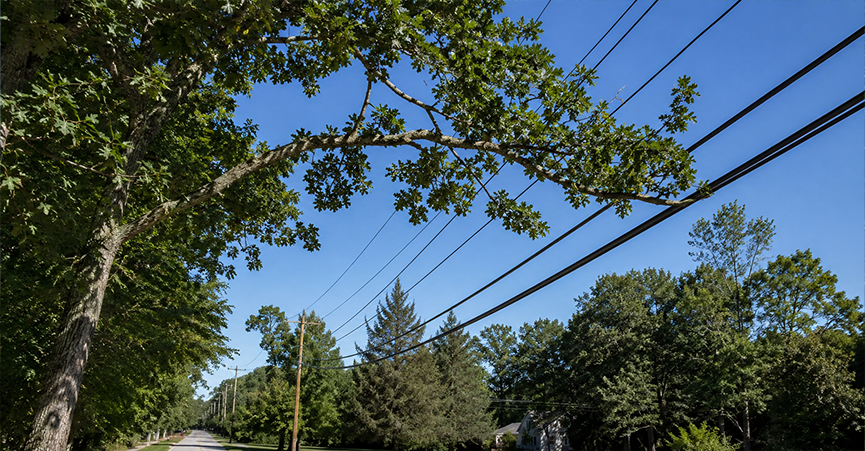
Trees growing into power lines create both safety hazards and service disruptions.
Branches touching utility lines may lead to:
- Electrical outages
- Fire hazards
- Property damage
- Emergency service calls
Large trees located beneath utility corridors require regular maintenance to prevent dangerous contact. When a tree grows directly into critical infrastructure, removal may become the safest long-term solution.
This is one of the most common reasons to remove a tree in urban and residential areas.
Foundation, Driveway, and Underground Pipe Damage
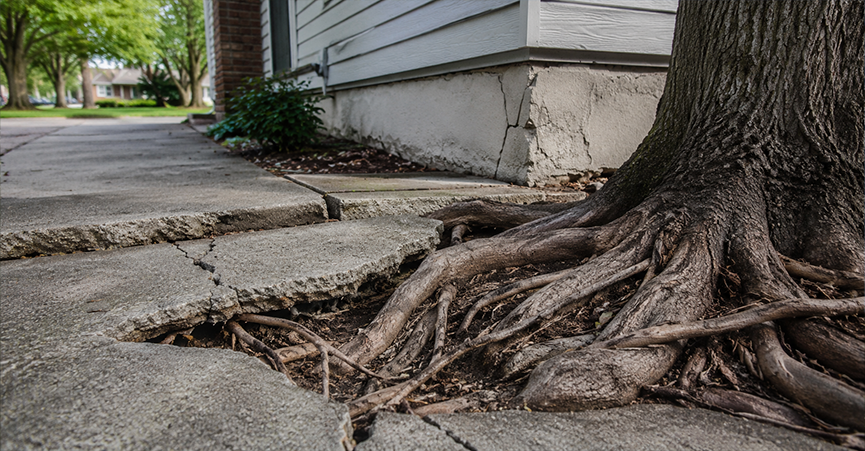
Roots often extend much farther than homeowners realise.
As a tree grows, roots may interfere with:
- Foundations
- Sidewalks
- Driveways
- Retaining walls
- Water lines
- Sewer systems
Visible signs include:
- Cracked concrete
- Uneven pavement
- Plumbing issues
- Raised walkways
The larger the tree becomes, the more expensive these repairs can become. Understanding when should you take the tree down before extensive root damage occurs can save thousands in future repairs.
Outgrowing the Landscape Boundaries
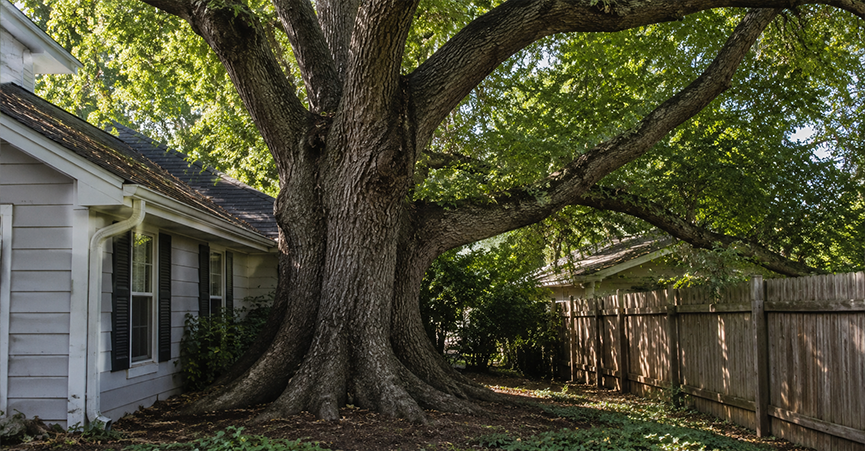
Many trees start small but eventually become far too large for the available space.
Problems often occur when trees are planted:
- Too close to homes
- Near fences
- Along property lines
- Beside driveways
As the canopy expands, branches may scrape roofs, block views, and create ongoing maintenance challenges. Even healthy large trees can become liabilities when they no longer fit their environment.
A tree that constantly conflicts with structures may ultimately require removal despite being otherwise healthy.
Proactive and Practical Reasons to Remove a Tree
Not every tree removal decision is caused by disease or structural failure. In some situations, removal is the most practical solution for improving safety, property usability, and landscape health. These proactive reasons for tree removal help homeowners avoid future problems while supporting long-term property goals.
New Construction and Lot Clearing
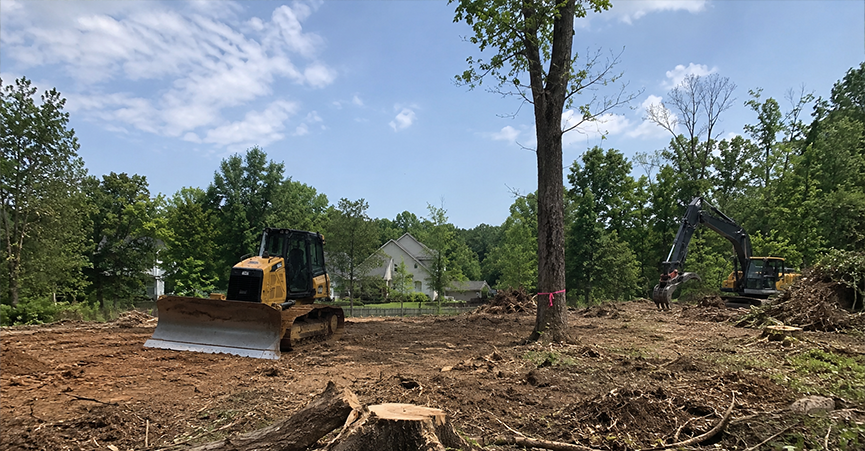
Property improvements often require changes to the landscape. A tree that once fit perfectly in a yard may become an obstacle during a renovation or expansion project.
Common examples include:
- Home additions
- Swimming pool installations
- New driveways
- Garage construction
- Commercial developments
When a tree stands directly in the planned construction zone, removal may be necessary to allow work to proceed safely. Before starting any project, it is important to evaluate whether preservation is possible. However, when roots or trunks interfere with essential infrastructure, these become legitimate reasons to remove a tree.
Overcrowding and Thinning for Landscape Health
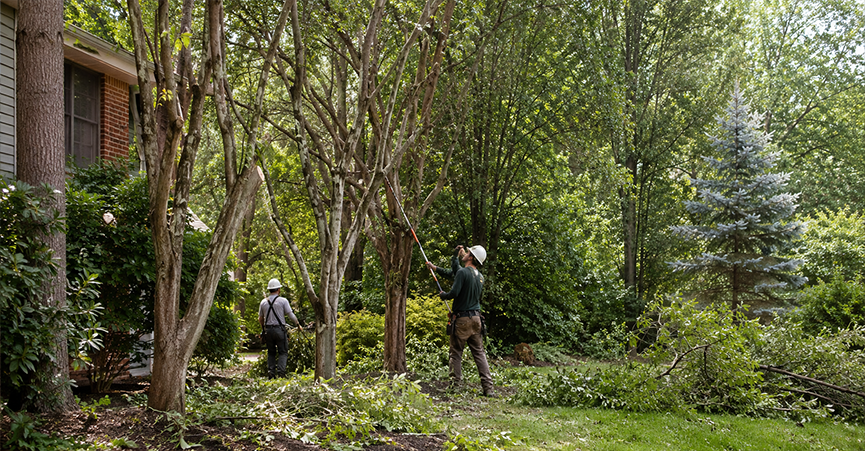
Healthy landscapes require balance. When too many trees compete for the same resources, growth often suffers.
Overcrowding can lead to:
- Reduced sunlight penetration
- Increased disease pressure
- Poor airflow
- Competition for water
- Slower growth
Selective thinning improves the health of the remaining landscape. By removing weaker specimens, stronger trees gain access to more nutrients and sunlight. This approach is common in both residential and commercial properties where long-term tree health is a priority.
Severe Storm Damage Recovery
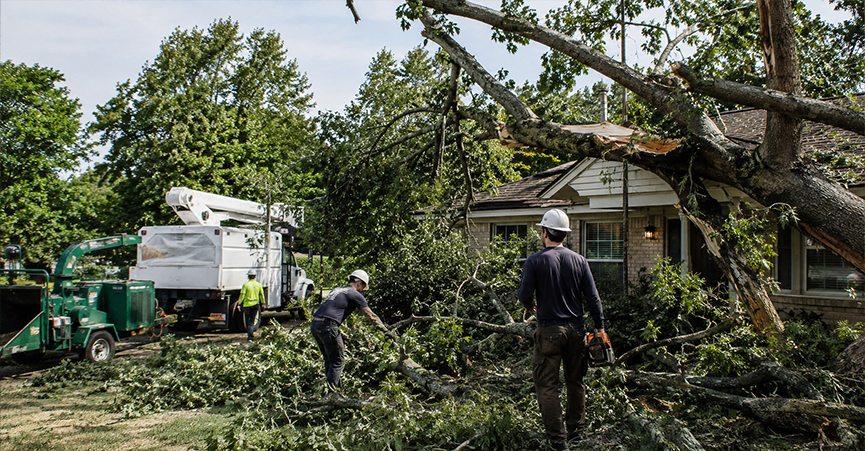
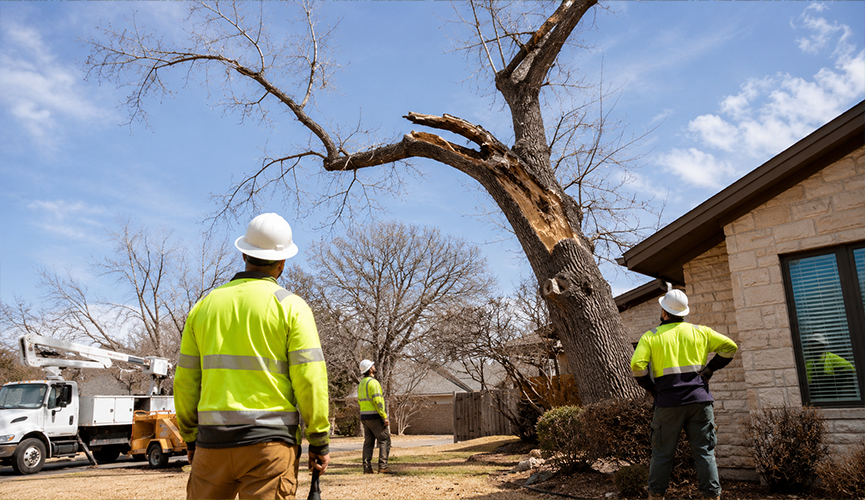
West Texas weather can change quickly. High winds, hailstorms, lightning strikes, and sudden freezes often leave trees severely damaged.
Common forms of storm damage include:
- Broken trunks
- Split leaders
- Hanging limbs
- Root failure
- Extensive canopy loss
While some trees recover, others become unstable and hazardous. When a tree’s structural stability is significantly weakened, removal is often the safest course of action. For many homeowners, emergency weather events become unexpected tree removal reasons that require immediate attention.
Regional Considerations: From West Texas to United States
Tree care decisions often depend on local environmental conditions. What works in one region may not apply elsewhere.
Lubbock, Texas Challenges: Drought, High Winds, and Sudden Freezes
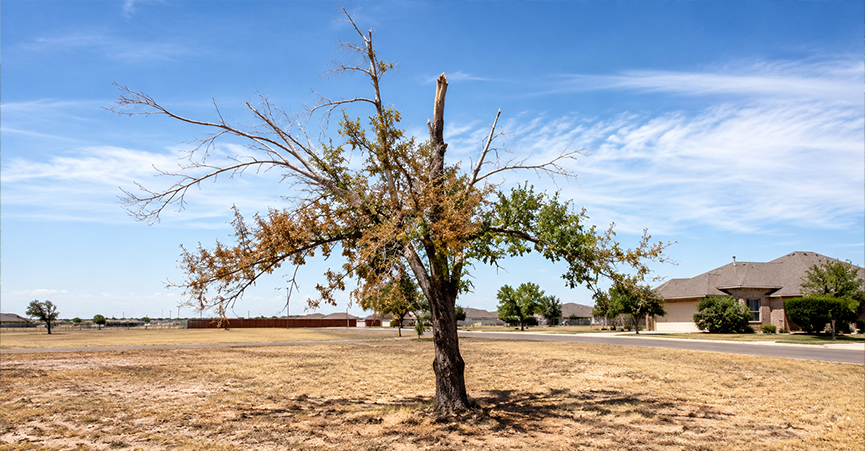
West Texas presents unique challenges for property owners.
Environmental stressors include:
- Prolonged drought
- High wind events
- Dust storms
- Sudden temperature changes
- Winter freezes
These conditions weaken trees over time, making them more vulnerable to breakage and disease. Species such as mesquite, pecan, cottonwood, and elm may experience branch failure after years of environmental stress. Routine inspections can uncover developing risks before they turn into serious safety concerns.
This is why homeowners often work with a trusted lubbock tree service company to evaluate mature trees and identify developing risks.
United States Climate Factors: Fire Mitigation and Shedding Species
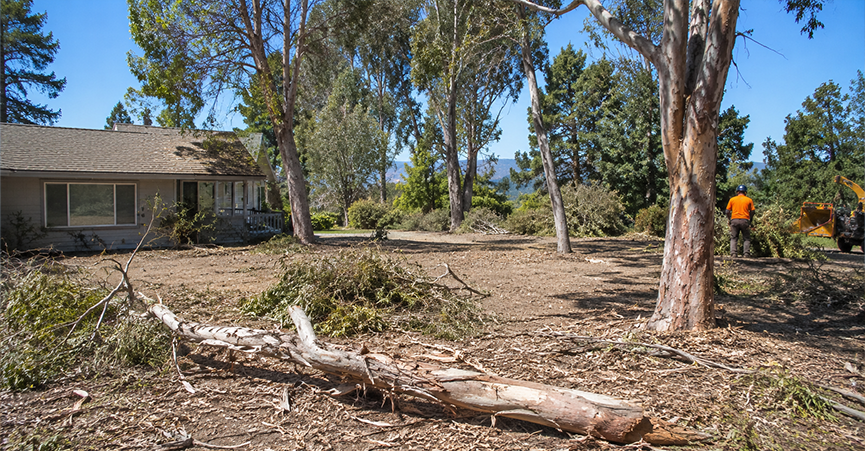
In United States, tree management often focuses on wildfire prevention.
Certain species contain highly flammable oils and shed large amounts of dry material during hot weather.
Property owners sometimes remove trees to:
- Reduce fuel loads
- Improve defensible space
- Protect structures
- Improve fire safety planning
While the challenges differ from West Texas, the principle remains the same. Understanding local conditions helps determine when to remove a tree before environmental hazards create larger problems.
Interestingly, many homeowners delay removing a Christmas tree after the holiday season. By Twelfth Night, dry trees become significantly more flammable indoors, demonstrating how quickly vegetation can become a fire concern when conditions change. A similar principle applies to unhealthy trees growing close to homes and other structures.
Summary Checklist: Signs You Need to Remove Your Tree
If you are unsure whether removal is necessary, use the checklist below. These warning indicators often suggest that tree removal should be seriously considered.
- Visible cracks in the trunk or deep cavities
- Extensive internal decay
- Multiple large dead branches throughout the canopy
- Significant lean following recent weather events
- Mushrooms growing around the root flare
- Persistent fungi growing near the trunk base
- Major root damage or upheaval
- Repeated branch failures
- Severe storm damage
- Encroachment onto power lines
- Foundation or driveway damage caused by roots
- More than 50% canopy decline
The more items present, the more likely removal should be considered.
Can I DIY Tree Removal or Should I Call a Professional?
Some homeowners consider removing trees themselves to save money. While this may seem straightforward, tree removal is one of the most dangerous outdoor tasks.
The Dangers of DIY Tree Cutting
Trees rarely fall exactly as expected.
Potential risks include:
- Falling limbs
- Equipment accidents
- Property damage
- Utility line contact
- Personal injury
Even experienced property owners can underestimate the forces involved when removing mature trees. A miscalculation involving large trees can result in severe consequences for both people and structures.
When evaluating when to cut down a tree, safety should always be the highest priority.
Why You Should Hire a Certified Arborist
Professional evaluation provides clarity before any major decision is made.
A certified arborist can:
- Assess tree stability
- Identify hidden defects
- Diagnose disease
- Evaluate root health
- Recommend preservation options
Most importantly, professionals can tree carefully assess whether removal is truly necessary or if alternative treatments may solve the problem. Working with a qualified tree service lubbock also ensures proper insurance coverage, specialised equipment, and safe removal procedures.
For homeowners considering tree trimming lubbock, professional guidance often prevents costly mistakes and unnecessary removals.
Next Steps
Recognising the reasons for tree removal early can help protect your property, reduce safety risks, and prevent expensive emergency situations. From severe disease and internal decay to root damage, utility conflicts, and storm damage, there are many situations where removal becomes the safest and most practical choice.
Understanding when to take tree down is not always easy. Some trees can be saved through pruning, treatment, or structural support. Others present serious hazards that require immediate action. Learning the difference helps homeowners make informed decisions that benefit both their property and the surrounding environment.
If you have noticed any of these warning signs, do not wait until the next major storm creates a dangerous situation. Whether you need an inspection, tree trimming in Lubbock, or complete Lubbock tree removal, professional guidance can make all the difference.
Flocy Tree Service LLC provides expert tree assessments, safe removals, and dependable tree care solutions throughout Lubbock, TX. Contact their team today to schedule an evaluation and determine the safest path forward for your landscape.
FAQs
How can you tell if a tree is dead or just dormant?
Dormant trees usually show healthy buds, while dead trees have brittle branches and peeling bark.
What are the clear warning signs that a leaning tree is dangerous?
Sudden leaning, exposed roots, soil lifting, and trunk cracks often indicate serious instability.
Can a tree with a hollow trunk be saved, or does it require removal?
Some hollow trees survive, but extensive decay often requires professional evaluation and possible removal.
How close to a house or foundation can a tree safely grow?
Safe distance depends on species, mature size, and root growth patterns around structures.
Why should you avoid removing a large tree yourself?
Large trees are unpredictable and can cause severe injuries, property damage, and utility hazards.